
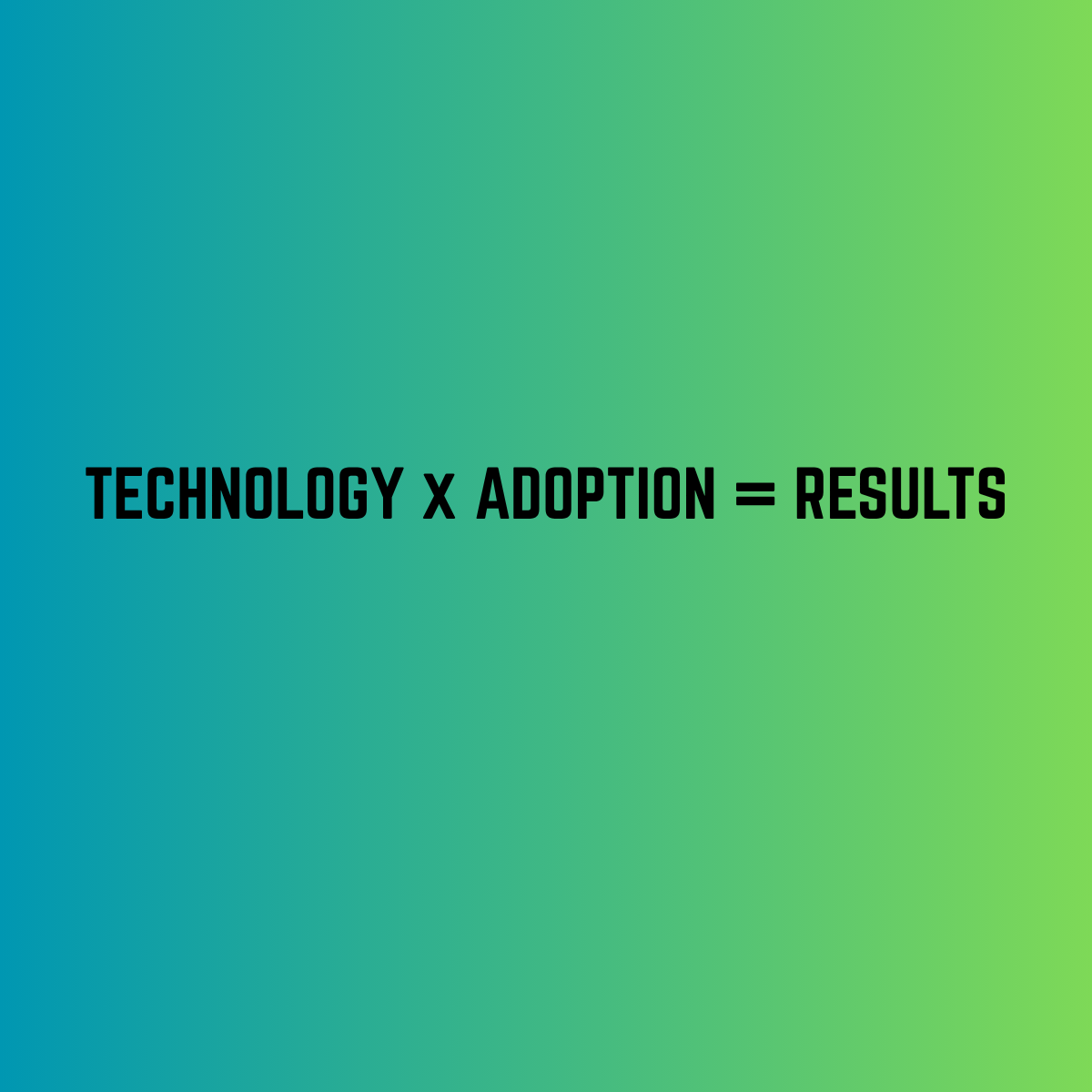
Most healthcare organizations don’t have a technology problem. They have an adoption problem.
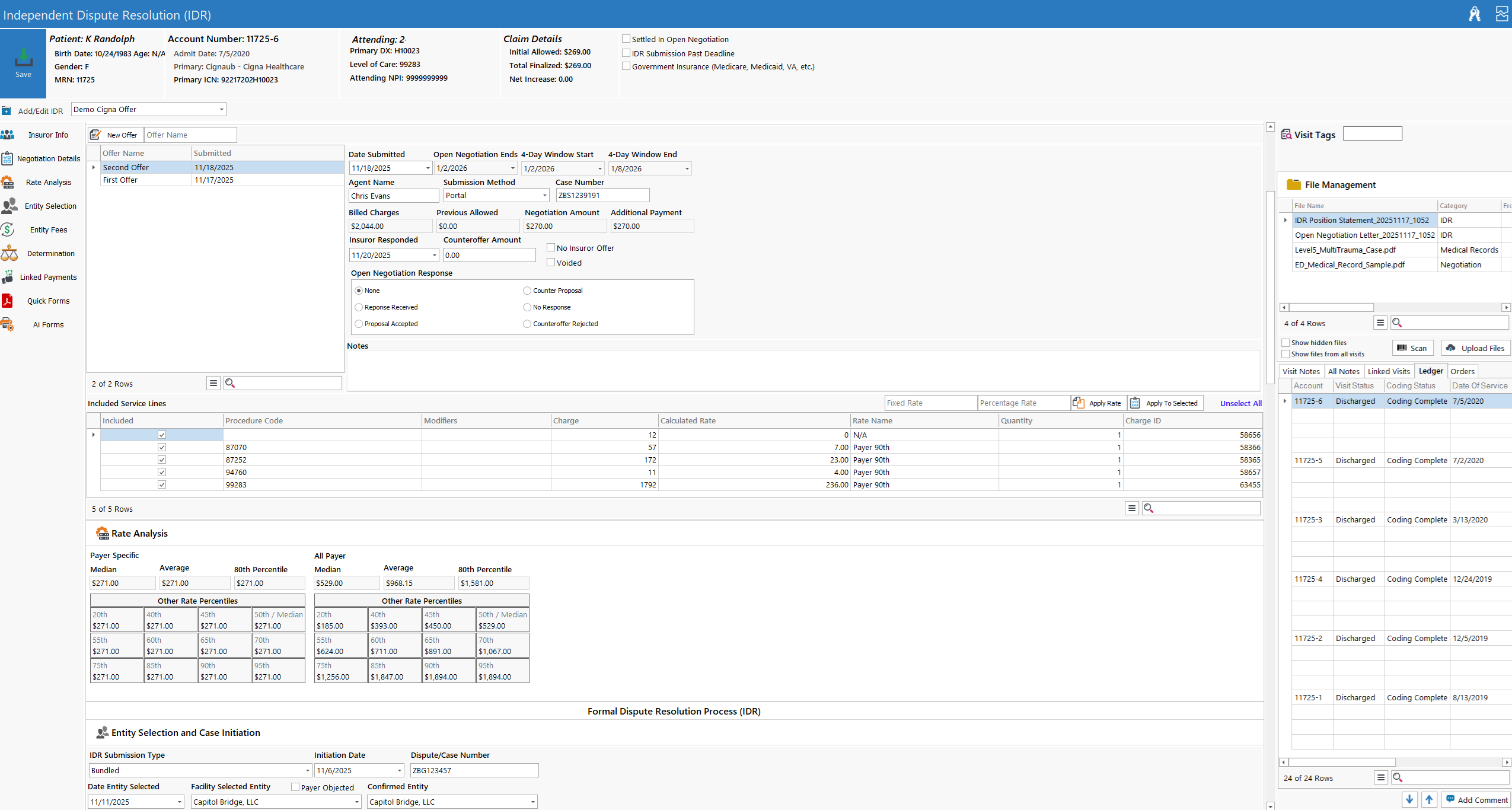
Millions are spent on platforms designed to automate workflows, reduce friction, and improve financial performance. The features are there. The integrations are there. The capabilities are there. And yet, performance doesn’t move the way it should.
That’s not a system failure. It’s an execution failure.
The Illusion of Progress
New features create the feeling of progress. A new workflow gets rolled out. A new tool gets introduced. A new capability gets added to the stack.
But underneath the surface, very little actually changes.
Teams continue to operate the way they always have. Manual processes linger. Workarounds become embedded. The organization has the tools to be more efficient, it just isn’t using them consistently.
Partial Adoption Is a Hidden Cost Center
This is where things get expensive. Not in obvious ways, but in quiet, compounding inefficiencies.
Automation exists, but only parts of the workflow are used. Different teams use the same system in different ways. Data is technically available, but not operationally trusted.
What you end up with is a fragmented environment. You paid for a high-performance system, but you’re operating at a fraction of its capability.
That gap doesn’t show up on a balance sheet line item. But it shows up everywhere else—delays, rework, missed revenue, and slower cash.
CFOs Feel the Symptoms. Operators Live the Cause.
From a financial perspective, it looks like underperformance. Days in A/R don’t improve as expected. Net collections plateau. Labor costs stay high despite automation investments.
But the root cause isn’t hard to find.
At the operational level, the platform isn’t being used the way it was designed to be used. And no amount of new technology fixes that.
Adoption Isn’t a Training Problem. It’s a Leadership Decision.
This is where most organizations get it wrong. They treat adoption as a one-time event, like something solved with training sessions and documentation.
It’s not.
Adoption is a decision. A decision to standardize workflows. A decision to eliminate unnecessary variation. A decision to hold teams accountable to using the system as intended.
Without that, every new feature simply becomes another option that may, or may not, get used.
The Organizations That Win Make a Different Choice
They don’t chase more features. They extract more value from what they already have.
They simplify. They standardize. They align. And most importantly, they commit.
Because the real ROI on technology doesn’t come from what a platform can do. It comes from what your organization actually does with it.
Where GoRev Fits
At GoRev, we see this gap every day. Technology matters, and the right platforms and integrations absolutely play a role in driving performance. But even the best technology underperforms without alignment.
That’s why our focus isn’t just on introducing new solutions, it’s on making sure they’re implemented, adopted, and used consistently across the organization.
We help standardize workflows, ensure data is clean and usable from the start, and drive real adoption of both new and existing capabilities.
Because real impact doesn’t come from adding another tool. It comes from making sure the tools you have, new and old, are actually working the way they’re supposed to.
If you’re looking to simplify and streamline operations for better efficiency, learn more at GoRev.com.